


Caregiver Compassion Fatigue: The Hidden Cost of Being the Strong One

For most of my life, I thought I was simply "the responsible one."
The oldest daughter in a large Mormon family, I was programmed early to prioritize the needs of everyone else. As my mom was always either pregnant or nursing a baby, it fell to me to care for the rest of my siblings. I took pride in that identity; I was the parentified strong one, the capable one. I carried that sense of duty right into my career, believing my endless empathy would make me a great professional.
It didn't. Eventually, it cost me my livelihood—a career I loved as a massage therapist—because I had nothing left to give. My own well had run bone dry.
This exhaustion, this depletion, has a name: Compassion Fatigue. It's the profound emotional and physical erosion that results from the constant act of caring for others who are suffering. It is, quite literally, the cost of caring. The fact that this reality is finally being acknowledged is vital, and it’s a subject I resonated with deeply while reading Recovery, the Lost Art of Convalescence, particularly in the chapter called "On Caregivers."
The Crash: When Empathy Turns into Exhaustion
It's important to understand that compassion fatigue is more than just caregiver burnout.
Burnout is exhaustion from the volume of work—too many appointments, too little sleep. You might be tired, but you still want to help. Compassion Fatigue, however, is deeper. It's a profound depletion of your emotional resources where your capacity for empathy begins to fail. You start to feel numb, cynical, or irritable about the very people you care for.
In my experience, the crash was dramatic, not gradual. As a wellness expert and self-care advocate, I knew all the tricks. I deployed every tool I had: rigorous self-care, healthy diet, exercise, positive thinking, prayer, and meditation. But I realized that these practices—which should have been my foundation—were merely like drops in a long-empty, dry well.
Combined with sheer willpower, those drops were just enough to keep me moving forward for years. Until one day, they weren't.

My body finally delivered a definitive, painful alarm. I pushed through seven straight days of work only to fall and break my hand when my day off finally came. That injury didn't just end my career as a massage therapist; it was the physical proof that my system was in total failure. I transitioned into a spa management role, forcing myself to mask the intense pain—both physical and emotional—to serve everyone around me. I had perfected the art of the "strong one" façade.
Even in that management role, I was an empty well pretending to be a fountain. My core asset—my desire and ability to nurture—had been completely depleted because I was constantly absorbing the stress of others without ever refilling my own supply. I didn't know how or when to quit.
The caregiver's most valuable asset is compassion; Fatigue is the failure to protect that asset.
The Practical Adulting Recovery Plan
Recovery requires three non-negotiable pillars. This isn't selfish; this is simply how you make caring sustainable.
1. Build the Fence: The Power of Boundaries

The silent oath of the "strong one" is to always be available. This is a myth that leads directly to fatigue. A boundary is not a wall to shut people out; it’s a fence that protects you so you can continue to be helpful without being annihilated.
The Practical Adulting Lesson: You are a human being, not a superhuman utility worker. You need clear limits.
Establish Non-Negotiable Time: This could be as simple as an hour of quiet reading, or a firm boundary of "I am not available to discuss care decisions between 8 PM and 8 AM."
Define Your Role: Clearly communicate what you can and cannot do. You are a human providing care, not a martyr.
Want a deep dive on how to set these essential limits without the crushing guilt? You can find a complete guide in my full article: Your Personal Superpower: A Guide to Setting Healthy Boundaries.
2. Refill the Well: Self-Care as a Mandatory Health Practice

We often picture self-care as an expensive spa day, but for the sustainable caregiver, it’s about energy management. It’s not a treat; it’s an essential health measure.
Actionable Tip: Focus on Micro-Breaks. Not every break can be a weekend getaway. It can be a 5-minute deliberate pause: stepping outside to feel the sun on your face, listening to one favorite song with no distractions, or simply a deep, cleansing breathing exercise before you walk into the house. Prioritize the basics: sleep, nutrition, and movement—these are your foundational defenses against stress.
3. Seek Outside Support: You Deserve to Be Supported

Caregiving is isolating. We carry the weight and shame of struggle alone, which is why having an outside support system is so vital. In Recovery, the Lost Art of Convalescence, the same chapter about caregiving highlights this need by citing groups such as VOCAL (Voice of Carers Across Lothian), which offers peer support and resources in the UK. This model of community is one we all need access to.
The Solution: You need people who see you, not just the service you provide.
Look for Peer-to-Peer Support: Find local or online groups where people get it. Shared experience is a powerful antidote to isolation.
Ask for Specific Help: Drop the vague plea of "I need help." Instead, use direct requests like, "Could you sit with Mom for two hours on Saturday?" or "Can you grab that prescription when you're out?"
No one should have to feel they are doing this alone. Everyone deserves to feel supported. I've compiled a list of vetted organizations, support groups, and digital tools offering free resources right here: [Free Caregiver Resource List: Support You Deserve].
A Sustainable Caregiver Mandate to Avoid Compassion Fatigue
My journey through compassion fatigue taught me this truth: You cannot pour from an empty cup. If you are "practically adulting" as a caregiver, your most adult move is to care for the carer.

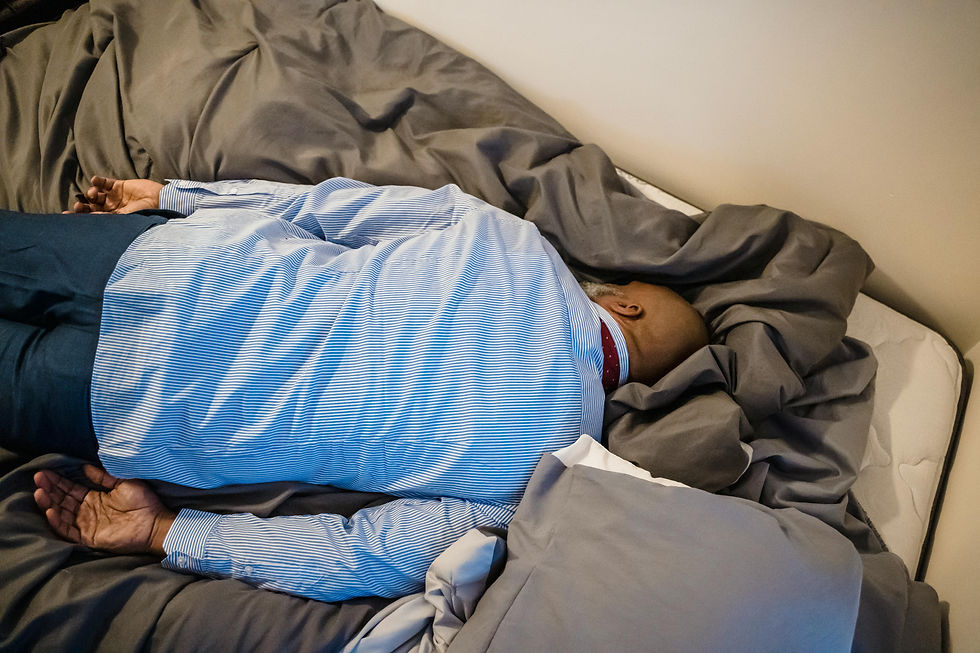
Similarly, my therapist once shared wisdom that has allowed me to mend the fractures in my metaphorical cup, and, for the first time, replenish it with drops of awareness, intention, and practical pacing in my activities. That wisdom was, "When you are tired, the most respectful thing to do for yourself is to lie down."
If you’re ready to move from survival mode to thriving, a simple blog post is only the start. Healing requires a commitment to action. Start your journey now by accessing the free Caregiver Resource List, which provides tools and support systems you need to get organized and find local help. [Insert Link to Free Membership/Resource Page Here]
While you lay that foundation, I’m working on a complete guide to building your personalized, long-term Sustainable Caregiving Strategy—including detailed scripts for setting boundaries, a deep dive into managing guilt, and a plan to reintegrate your identity outside the caregiving role. Sign up for my Pro-Membership to be the first to know when exclusive content and this comprehensive course are released!
Resources and Citations
1. Gavin Francis, Recovery: The Lost Art of Convalescence (London: Profile Books, 2022).
2. Academic Citations
My experience with "the dry well" and the need for boundaries are widely recognized psychological and health phenomena, not just personal observations.
Defining Compassion Fatigue and the "Cost of Caring":
Charles R. Figley, Compassion Fatigue: Coping with Secondary Traumatic Stress in Those Who Treat the Traumatized (New York: Brunner/Mazel, 1995).
The Necessity of Self-Care and Boundaries:
Self-care is a "critical component" of resilience and not a luxury.
Kimberly E. Dorociak, Paul A. Rupert, Fred B. Bryant, and Emily Zahniser, "Development of a Self-Care Assessment for Psychologists," Journal of Counseling Psychology 64, no. 3 (2017): 325-334.


Comments