


Beyond Soap and Water: Best Cleaners and How to Use Them
Updated: Feb 16

You know how to use soap, water, and scrubbing to clean well. But sometimes, you need extra help. Store shelves have many special cleaners. Knowing what they do helps you pick the right one.
First, let's make sure we are protected from both the germs and the chemicals that remove them:
Simple Ways to Stay Protected While You Clean
Cleaning is a hands-on job, and sometimes you need a little protection to get it done safely and efficiently. Think of personal protective equipment (PPE) not as a hassle, but as your cleaning superpowers—they keep you comfortable and safe while you tackle the mess.
Gloves are your most basic defense. They protect your hands from germs and from the drying, irritating effects of strong cleaners. Plus, they give you a better grip on a soapy sponge!
For projects that involve strong cleaners, dust, or mold, a simple mask can protect your lungs from fumes and particles. Likewise, eyewear like safety glasses can prevent splashes from getting into your eyes, keeping your vision clear and safe.
And don’t forget the small things that make a big difference. Tying your hair back with a hair tie keeps it out of your way (and out of the mess). Wearing comfortable clothing that you don't mind getting dirty means you can focus on the task at hand without worrying about ruining your favorite shirt.
The goal of adulting is to take care of yourself, and that includes making sure you’re protected while you get the job done. With the right tools and a little protective gear, you can clean with confidence.
Now that you are properly outfitted to protect yourself, let's move on to the products.
Beyond Soap and Water: Best Cleaners and How to Use Them
Here is a list of the best cleaners that go beyond just soap and water, and how to use them. I always keep these on hand, and I'll explain why I chose each one. Each cleaner has its special benefits, so it's important to use them wisely. While it’s fine to use one product for many cleaning jobs, it’s usually not the best idea. I will discuss the types of cleaners rather than specific brands, allowing you to choose the one you prefer.
Disinfectants: The Germ Killers

Disinfectants kill germs on hard surfaces. They don't remove dirt, but they eliminate tiny living things (germs) after washing. This is particularly important for frequently touched items, such as doorknobs, light switches, and counters. Even regular bleach, mixed with water, can be a strong, cheap disinfectant.
The EPA (a government group) lists approved disinfectants. They recommend cleaning a surface first with soap and water, then using a disinfectant to kill any remaining germs. The WHO also suggests bleach and water to disinfect. I learned to mix one part bleach and nine parts water, first at a county-sponsored home daycare certification training in my early twenties, then again in massage school in my early thirties.
If you prefer not to mix your cleaner yourself, you can purchase disinfectants at any store that sells cleaners.
Degreasers: The Grease Fighters

Degreasers, like dish soap, break down fats and oils. They are chemicals, but they still need water and scrubbing to work. The degreaser loosens grease, and water and your sponge remove it.
When I worked at a motel, we cleaned big windows outside with hot, soapy dishwashing liquid and a window squeegee. It had a sponge and a rubber scraper. This worked fast and kept things looking good.

Being a professional cleaner was hard work, but I felt supported and had the right stuff. I still use diluted dish soap on my windows and mirrors. It makes sense that something that cuts grease would also clean oily fingerprints and smudges off glass. I'm glad I learned how to clean well; I never would have figured it out myself.
What is an All-Purpose Cleaner?

An all-purpose cleaner does many things. It's for light cleaning on many surfaces. These cleaners mix soap with other mild cleaners, like alcohol or ammonia, and often smell nice.
How it Works
Like soap and water, all-purpose cleaners break down and lift away dirt, grime, and grease. But they usually don't kill many germs or disinfect.
What it's for
Use them on counters, floors, glass, and most hard surfaces. They're good for daily cleaning. But for tough jobs, like rust, disinfecting, or deep grout cleaning, you need something stronger.
Antibacterial Cleaners vs. Plain Hand Soap

"Antibacterial" can be confusing. It sounds better, but often isn't.
Plain Soap and Water

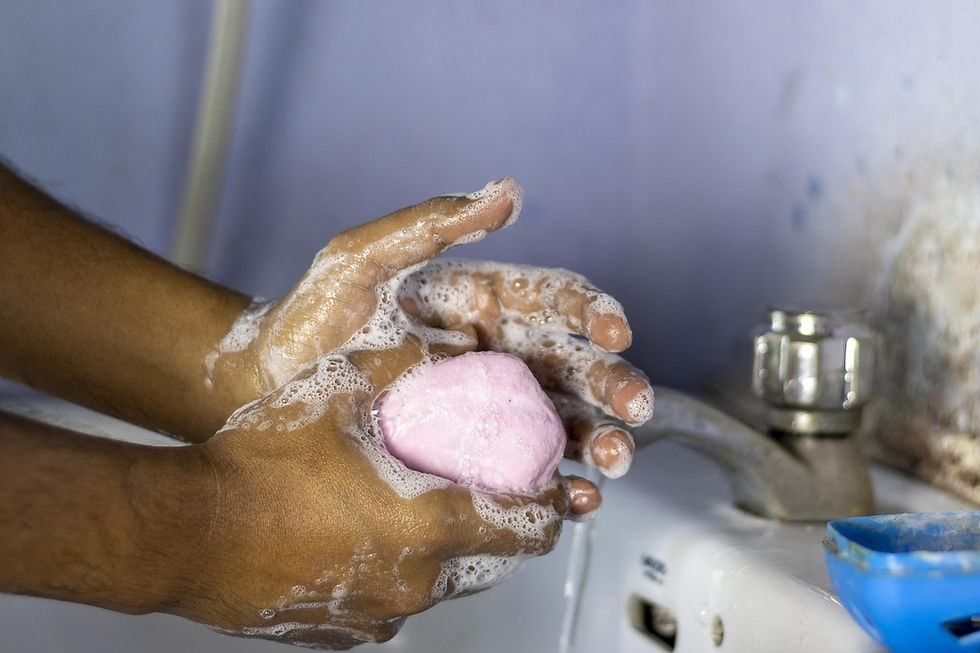
Plain soap's main job is to physically wash away dirt, grease, and germs. It surrounds germs, and you rinse them away. It doesn't "kill" them right away, but it's great at getting rid of them.
Antibacterial Cleaners

These have special chemicals (like benzalkonium chloride) to kill or stop bacteria growth. They used to have triclosan, but the FDA banned it from hand washes. There was no proof it worked better than plain soap, and worries about safety and making germs harder to kill with medicine.
The Big Difference

Plain soap removes germs; antibacterial cleaners kill them. But for everyday cleaning, this difference usually doesn't matter much.
The CDC and FDA say there's no proof antibacterial soaps work better than plain soap and
water for stopping germs and sickness at home. Many experts say too many antibacterial products can make germs resistant to medicines, making simple handwashing a safer, better choice.
Use What Works for You

It sounds simple, but you don't need one product for everything. Using special cleaners for convenience is fine, now you know how they work. Just know what each product is for and how to use it safely.
Because spray chemicals tend to linger in the air, I wear gloves and a mask when cleaning the bathroom. I spray the sink, toilet, and shower, then I step out for five minutes to let the vapors settle onto the surfaces they're meant to clean. I have a glass of water, then I go back in and cleanse everything, leaving it to air-dry.
Your Adulting Takeaway
You don't need a different cleaner for every job. Just remember these three cleaning rules:
Start with the basics
For most things—such as your hands or a dirty floor—use soap, water, and rubbing to physically remove dirt and germs.
Rinse it all away
Don’t forget this step! Rinsing truly makes a surface clean and free of leftover cleaner. If no rinse is needed, the bottle will say so (like with rubbing alcohol, which dries fast).
Disinfect when necessary
After cleaning visible dirt, use a disinfectant for surfaces you touch a lot.
Pro tip

Here's my biggest "pro tip" for making cleaning a no-brainer: don't make it a quest. I used to have just one bottle of cleaner for the whole house, tucked away under the kitchen sink. Guess what? The mess in the upstairs bathroom stayed put because I'd get sidetracked on my way to get the cleaner, or just decide it wasn't worth the hassle. The struggle was real.
Then I realized something: cleaning should be easy. So, I started stocking a bottle of all-purpose cleaner and disinfectant under every sink. Now, when I see a mess, the solution is right there, and I don't have to think twice about it. It’s a small change that has a huge impact on staying on top of daily messes without the mental gymnastics and physical effort in searching near and far for the cleaners..
Remember, effective cleaning combines basic techniques with the right specialized products when needed. Stay safe, stay clean, and keep practically adulting!
-----
More on Cleaning for Practically Adulting: Check out the other articles in this series!
-----


Comments