


Enhance Your Cleaning Superpowers: Tools, Techniques, and a Little Heat
Updated: Aug 24, 2025

How to Enhance Your Cleaning with Tools, Techniques, and Heat
Knowing what cleaner to use is only half the battle; cleaning is the other half. Sometimes you must bring in the big guns—your tools, techniques, and even a little heat for those tough messes.
I'll never forget the time I had to clean out a fridge my former in-laws left behind after an extended stay. It was a disaster zone of hardened, sticky meat juices and crusty spills in and under every drawer and shelf. No amount of scrubbing could get through that mess on its own. My secret weapon? Using several tea kettles full of boiling water, I poured the hot water onto the hardened spills, letting the heat work its magic. After a few minutes, the caked-on grime softened and dissolved, making it super easy to scrape, scrub, and wipe away. This is one technique, and there are many more! Discover how to enhance your cleaning with tools, techniques, and heat.
This brings us to two of the most powerful (and often overlooked) cleaning techniques: soak-and-rinse and friction.
The Dynamic Duo: Soak & Rinse for Stubborn Messes

When you're faced with a tough, stuck-on mess, your ultimate ally is the soak and rinse method. It’s the definition of working smarter, not harder.
A good soak with hot water (and a little soap) allows the cleaner to penetrate the grime and break it down. Most messes will loosen in just a few minutes, so soaking overnight is rarely necessary. A great strategy is to put a drop of dish soap and hot water on a stubborn dish at the beginning of your washing session, and then wash all your other dishes. By the time you come back to the soaked one, the grime will have softened enough to wipe away easily.
Friction is Your Friend (Forget Scrubbing Direction)

When scrubbing, does it matter if you go side-to-side or in circles? Not really. The most important thing is the friction you create. Use a motion that feels comfortable for you and covers the whole surface. Your goal is to physically lift and loosen those particles so your soap can really do its job.
If you can't bend or kneel, don't sweat it! Use a tool with a long handle and stand or sit on a stool to scrub. I've even pushed a wet towel around with a broom to clean up floor spills. Plus, they make retractable dusters and bathroom scrubbers for a reason! Sometimes, when you hit a limitation, getting creative about tackling that mess will show you the way.
Picking the Right Tool for the Job

Your scrubbing tool is basically an extension of your hand. Choosing the right one can make a huge difference:
Washcloths are best for everyday, gentle cleaning. Use them to wipe down counters, sinks, and other smooth surfaces where you don't need to rub too hard.
Sponges: A classic for a reason! They usually have two sides: a soft, absorbent side for wiping and a textured, abrasive side for scrubbing. Great for dishes, bathroom surfaces, and general cleaning.
Scrapers/Scrub Brushes: When a sponge isn't enough, these are perfect for tough, stuck-on messes. The stiff bristles and sharp edges provide extra friction, allowing you to get into tight spots or remove dried-on grime without damaging the surface underneath.
Steel Wool Pads: For tough, stuck-on messes that a sponge can't handle, steel wool pads are your secret weapon. Their abrasive texture makes them ideal for scrubbing baked-on grime from oven racks, rust off metal, or caked-on food from cast-iron pans. Just be sure to use them cautiously; their power to scrub away the toughest messes also means they can easily scratch delicate surfaces like glass, ceramics, and non-stick coatings.
Lint-free cloths: Made from materials like microfiber that won't leave tiny fibers behind. These are your go-to for cleaning glass, crystal, mirrors, eyeglasses, and device screens, where you need a clear, streak-free finish with no weird residue.
Paper Towels are ideal for absorbing spills. Avoid using them as a substitute for washcloths when cleaning, as paper products can leave lint and residue. I find them useful in the bathroom for gathering and picking up loose hairs before applying the bathroom cleaner.
Does Hot Water Really Matter?

Yes! While soap works fine in cold water, hot water can seriously boost your cleaning power. Hot water helps to:
Dissolve Grease: It melts oils and grease, making it easier for the soap to break them down and lift them away.
Aid in Sanitation: Although it won't sterilize a surface, hot water can help kill germs, mainly when used with a disinfectant.
Increase Chemical Effectiveness: Many cleaning agents work better and faster in warmer temperatures.
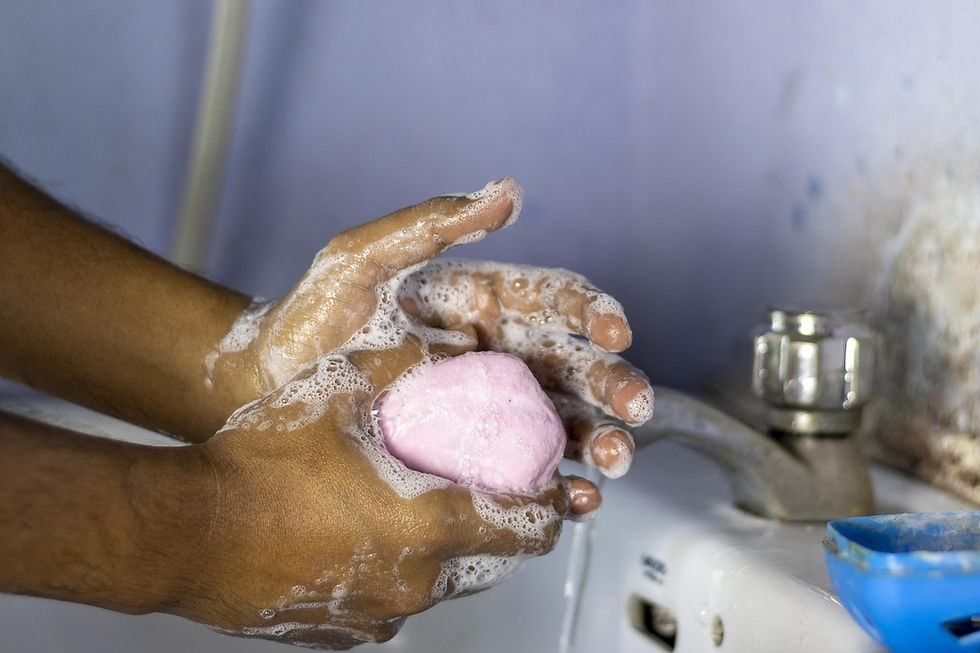
For daily stuff like handwashing, the water temperature isn't as important as using enough soap and scrubbing thoroughly. But a little heat goes a long way for deep cleaning and those stubborn messes.
Pro tip: The Sizzle and Release

This quick trick uses a temperature change to your advantage, saving you from a long, frustrating scrubbing session. It works in two key ways:
1. While You're Cooking:
If food like potatoes or spices begins to stick and caramelize on the bottom of a hot pan, sprinkle in a small amount of water. As it hits the hot surface, it will sizzle and turn to steam, helping to release the food so you can easily scrape it up with a spatula. This not only saves your food from burning but also preserves all that delicious flavor.
2. As Soon as You're Done:
Don't let a pan with stuck-on food sit for hours. Immediately after you've plated your food, take the hot pan to the sink. Carefully pour a small amount of cool water into it. The sizzle you hear is the food releasing its grip! For safety, stand back to avoid the steam. You can then use a scrub brush and soap to wash away the loosened food in mere seconds—one less dish to soak and scrub later!
There's nothing wrong with getting dirty, but staying dirty is what can harm your health. Now that you've got these cleaning superpowers, you can approach cleaning with confidence and reclaim your energy for the things that matter most to you.
Stay safe, stay clean, and keep practically adulting!

To learn more about cleaning, see the first two posts of this three-part series,The Unsung Heroes of Clean: Soap, Water, and Friction, and Beyond Soap and Water: Best Cleaners and How to Use Them.
The articles in the Practically Adulting blog are written by Luca, a human, and edited with the assistance of AI.

Comments